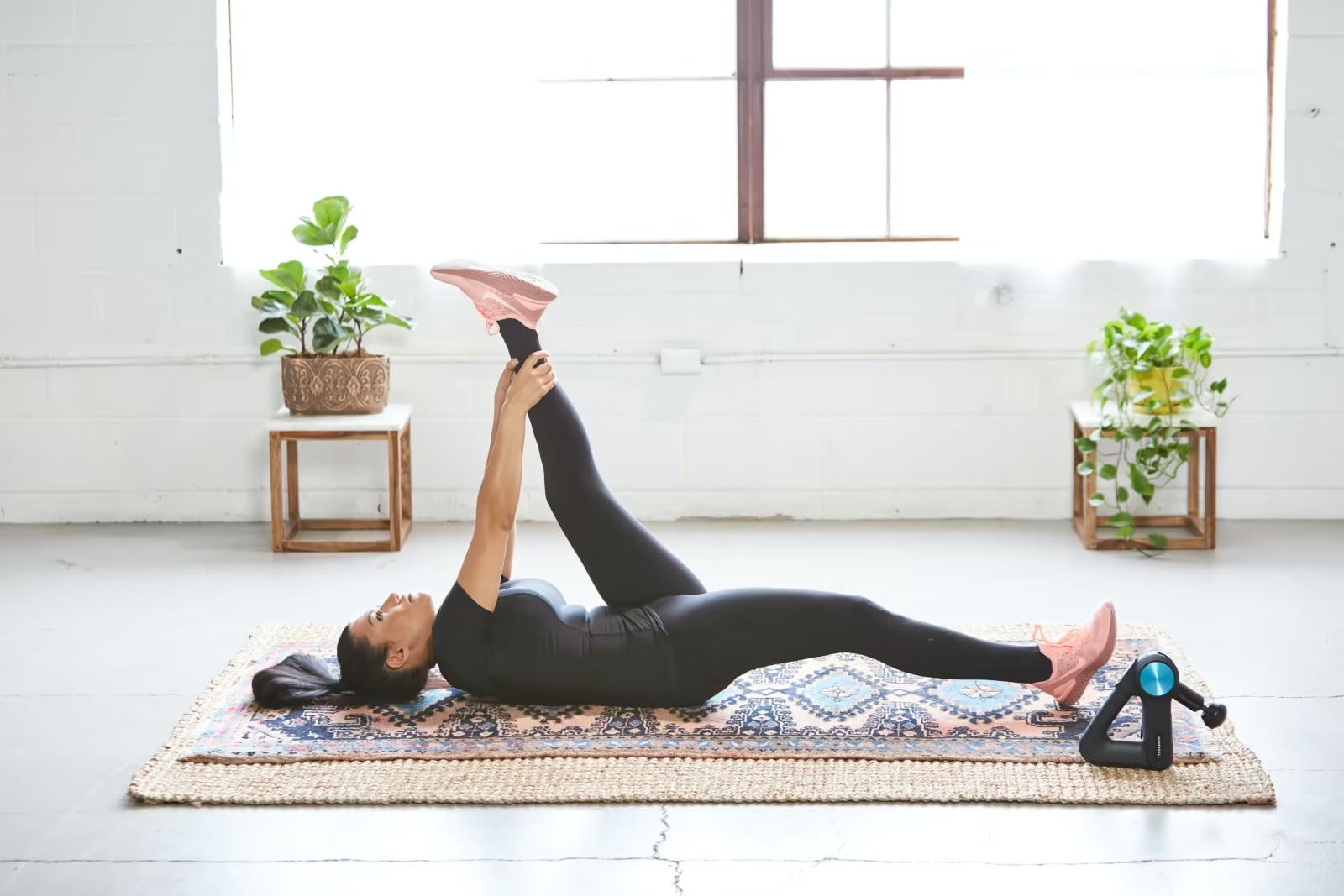
The magic of Yin yoga is time: long-held poses where we linger in the juiciness of the pose, 2 to 3 minutes for beginners and up to 10 minutes for more experienced yinsters. When going into a pose you arrive at the appropriate edge, relax, and stay there.
While the approach may seem simple, holding floor-based postures for several minutes, don’t be fooled into thinking Yin is a restorative type of yoga. It may be slow, but that doesn’t mean it’s easy. It can be quite confronting and can feel much more challenging than a faster-paced yoga.
I teach Yin yoga with many props: bolsters, blankets, blocks and straps. Props are our friends. Yinsters know the intention of their practice is not to look any particular way, and they don’t mind a little help to get the sensation into the target area. Props can increase or decrease stress in a target area, make certain positions accessible and provide support. When bones feel supported, the muscles can release, and more comfort means you can stay longer and marinate in the postures.
My goal after a Yin session is for you to feel as if you have opened up your body, as if you have space inside, and maybe leave feeling a bit taller, as though you have been through traction.